High Voltage Danger Restricted Area: A Designer’s Embroidery Review
As an embroidery designer who has spent countless hours digitizing and testing files for real-world application, I have learned that not every graphic translates well to thread. Some designs look stunning on a screen but turn into a tangled mess under the needle. When I first encountered High Voltage Danger Restricted Area. Saf, my initial reaction was one of cautious curiosity. It is listed under Crafts and Graphics, specifically as a safety sticker vector illustration available in EPS, JPG, SVG, and transparent PNG formats. While these are digital assets rather than native machine embroidery files, the potential for conversion and application in handmade products is significant for the right creator.
First Impressions and Visual Personality
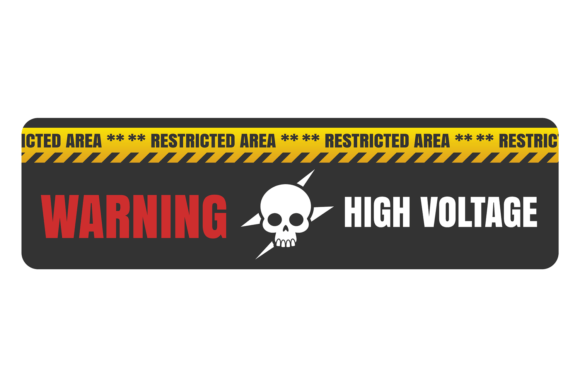
The design carries an immediate industrial mood. The theme is bold, authoritative, and unmistakably functional. Visually, it relies on high-contrast elements typically associated with warning signs—sharp angles, clear typography, and symbolic imagery that demands attention. For an embroidery project, this visual personality is a double-edged sword. On one hand, the strong lines and distinct shapes offer excellent clarity when stitched. On the other hand, the "safety sticker" aesthetic means there is little room for error in execution. The layout feels balanced, with a central focus that draws the eye, which is crucial for items like patches or the chest area of a sweatshirt.
What stands out most is the versatility of the concept. While it mimics a regulatory sign, its application in the maker community often leans toward irony, industrial chic, or themed decor. It does not feel soft or delicate; it feels structured. This makes it a natural fit for heavy-duty fabrics like canvas, denim, or twill, where the stiffness of the design complements the material.
Real-World Application: The Custom Tote Bag Scenario
To truly evaluate High Voltage Danger Restricted Area. Saf, I imagined a specific client request: a custom embroidered tote bag for a local electrician’s union event. The goal was to create a durable, professional-looking accessory that also served as a conversation starter. Using the vector illustration as a base, I considered how this would translate into a machine embroidery design.
In this scenario, the design would work exceptionally well as an embroidered patch. By stitching the design onto a separate piece of twill and then appliqueing it onto the tote bag, you avoid the puckering issues common with large, dense designs on flexible fabrics. The bold lines of the safety warning translate beautifully into satin stitch borders, while the internal details could be handled with fill stitches. The result is a finished product that looks manufactured rather than homemade, elevating the perceived value of the handmade item.
Beyond tote bags, this design has strong potential for custom apparel. Imagine it stitched onto the back of a heavy cotton hoodie or a workwear jacket. The industrial theme aligns perfectly with the current trend of utilitarian fashion. For Etsy sellers and small shop owners, this niche appeal can drive engagement among buyers looking for unique, thematic gifts for engineers, technicians, or fans of industrial aesthetics.
Navigating Technical Challenges in Embroidery
While the visual appeal is strong, practical execution requires careful planning. Since High Voltage Danger Restricted Area. Saf originates as a vector illustration, it lacks inherent stitch data. If you are converting this SVG or EPS file into an embroidery file, you must pay close attention to stitch density. Safety signs often contain small text and intricate borders. In embroidery, tiny lettering can become illegible if the stitch count is too high or if the fabric texture interferes with the thread placement.
I recommend avoiding direct stitching on thin or stretchy fabrics unless you are using a high-quality cut-away stabilizer. The design’s rigid structure conflicts with the movement of jersey knits or lightweight cottons. If you attempt to stitch this directly onto a t-shirt without proper stabilization, the fabric may pucker around the dense areas, ruining the clean lines of the warning symbol. For curved surfaces like caps, the design should be scaled down significantly. Large, flat graphics do not wrap well around the crown of a hat, leading to distortion and gaps in the stitching.
Another critical consideration is thread color contrast. The effectiveness of a danger sign relies on visibility. When selecting thread colors, ensure there is sufficient contrast between the background fabric and the design elements. A dark navy thread on a black shirt will vanish, rendering the message unreadable. Test your color combinations on scrap fabric before committing to the final product. This step is non-negotiable for maintaining professionalism in commercial embroidery projects.
Enhancing Product Value and Brand Consistency
For craft business owners, the choice of design directly impacts brand perception. Using High Voltage Danger Restricted Area. Saf signals a specific brand identity—one that is bold, perhaps slightly edgy, and attentive to detail. It moves beyond generic floral or cute motifs, offering a distinctive alternative for personalized gifts. This differentiation can help your Etsy listings stand out in a saturated market.
The design also lends itself well to holiday embroidery or themed events. For example, a Halloween costume for a child dressed as a scientist or engineer could feature this design on a lab coat or apron. In this context, the "danger" aspect becomes playful rather than serious. However, always consider the end-user. If the product is intended for a baby or young child, ensure that the materials and stitching are safe and durable, as these items undergo frequent washing.
Practical Notes for Designers and Makers
Before integrating this asset into your workflow, keep the following practical tips in mind:
- Verify File Compatibility: Since the product provides vector and image formats (EPS, JPG, SVG, PNG), confirm whether you have the software to convert these into machine-readable embroidery files. Do not assume automatic conversion will yield perfect results.
- Test Stitch Density: When digitizing, reduce stitch density in large fill areas to prevent fabric stiffening and thread breakage.
- Check Licensing Terms: Always review the license associated with the digital embroidery file or graphic asset. Confirm whether it allows for commercial use if you plan to sell finished products like embroidered patches or custom apparel.
- Mockup Testing: Use printable mockups to visualize the design on different garment colors. This helps in deciding whether to use light or dark threads for optimal visibility.
- Stabilizer Selection: Match your stabilizer to your fabric. Use tear-away for stable woven fabrics and cut-away for stretchy knits to ensure the design remains intact after washing.
In conclusion, High Voltage Danger Restricted Area. Saf is a compelling graphic asset for designers willing to put in the technical legwork. It offers a unique aesthetic that bridges industrial utility and creative expression. Whether used for a rugged tote bag, a themed costume, or a statement piece of streetwear, its success depends on thoughtful digitization and careful material selection. For the experienced maker, it represents an opportunity to create something distinct, memorable, and professionally executed.