Keep Going Keep Growing SVG: A Designer’s Review
As a designer who spends more time staring at stitch simulations than I care to admit, I have developed a specific set of criteria for evaluating digital assets. It is not just about whether a file looks good on a screen; it is about how it translates to thread, fabric, and ultimately, the hands of the person wearing or using the finished product. Recently, I pulled the Keep Going Keep Growing SVG Cut File into my workflow to assess its viability for a upcoming batch of custom orders. What follows is my practical assessment of this design from the perspective of someone who needs reliability, aesthetic balance, and commercial appeal.
First Impressions: Mood and Visual Personality
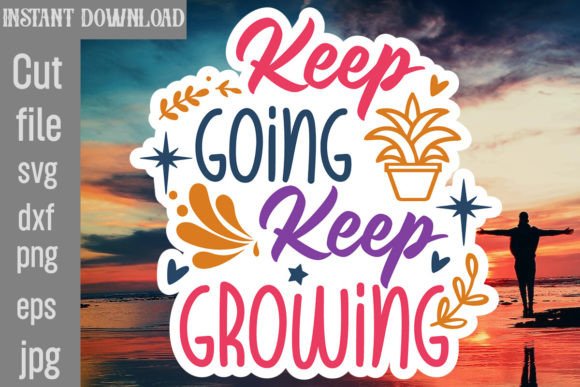
The phrase "Keep Going Keep Growing" carries a inherent weight. It is motivational without being aggressive, making it a versatile choice for a wide range of demographics. Visually, the design relies on clean lines and balanced typography. In the context of Crafts and Graphics, simplicity is often mistaken for ease, but in embroidery, simple shapes require precise execution to avoid looking amateurish. My first impression was that the layout offers excellent negative space. This is crucial because it allows the texture of the fabric to breathe, preventing the final piece from feeling stiff or overly dense.
The mood is organic and resilient. It fits naturally into the current trend of mindful living and self-care products. For an embroidery designer, this means the design is not just a graphic; it is a sentiment that needs to be communicated clearly through stitch placement. The vector nature of the included EPS file suggests that the curves should be smooth, which is a positive indicator for satin stitch applications where jagged edges can ruin the professional look of a garment.
Real-World Application: The Tote Bag Test
To truly evaluate the Keep Going Keep Growing SVG Cut File, I simulated its use on a heavy canvas tote bag. This is a staple item for many Etsy sellers and small shop products. The challenge with tote bags is the weave of the fabric. Canvas has a distinct texture that can swallow thin lines if the stitch density is not managed correctly.
In this scenario, the design performed well as a central focal point. The width of the lettering appeared sufficient to hold a standard satin stitch or a tight fill stitch without collapsing into the fabric weave. For a handmade product intended for daily use, durability is key. The design’s structure suggests it would hold up well to the wear and tear of a grocery run or a day at the farmers market. If you are creating a personalized gift or a boutique item, this level of resilience adds tangible value to the finished product.
Apparel and Custom Embroidery Considerations
Moving from accessories to apparel, I considered how this design would look on a sweatshirt or a structured cap. For sweatshirt embroidery, the plush texture of fleece requires a different approach than cotton. The design’s open spacing is advantageous here, as it reduces the risk of puckering—a common issue when stitching large, dense areas on stretchy or thick fabrics. However, one must be mindful of the hoop size. Ensure your machine’s hoop can accommodate the full width of the phrase without needing to split the design, which can complicate alignment.
For caps, the curved surface presents a unique challenge. The text needs to be arched or carefully straightened to avoid distortion. Since the Keep Going Keep Growing SVG Cut File comes in multiple formats, including DXF for Silhouette and SVG for Cricut, you have the flexibility to manipulate the shape before digitizing it for embroidery. This versatility is a significant asset for commercial embroidery projects where client specifications vary widely.
Technical Performance and File Versatility
The package includes SVG, DXF, EPS, and PNG files. As a reviewer, I appreciate this comprehensive suite. The SVG and DXF files are essential for cutters, but for embroidery, the EPS vector file is the gold standard for importing into digitizing software. It allows for precise node editing, ensuring that every curve and corner is optimized for the needle.
The included PNG with a transparent background at 300 DPI is particularly useful for creating printable mockups and design assets for your online store. Before you even stitch a single thread, you can visualize how the design looks on different thread colors and fabric backgrounds. This step is critical for maintaining brand consistency and managing customer expectations. A high-quality mockup can significantly boost buyer engagement and trust.
Where to Exercise Caution
While the design is robust, it is not without its limitations. I would advise caution when applying this to very thin or delicate fabrics, such as silk or lightweight rayon. The structural integrity of the letters may require a stabilizer that is too heavy for these materials, potentially altering the drape of the garment. Additionally, if you are working with dark fabrics, ensure you choose high-contrast thread colors. The readability of the message depends on the separation between the stitch and the background.
Another area of concern is small-scale application. If you attempt to shrink this design for a baby onesie or a small pocket emblem, the details may become lost. Tiny lettering can result in thread breaks or unclear characters. Always test the design on scrap fabric at the intended size before committing to the final embroidery project. This is especially important for baby embroidery, where softness and safety are paramount.
Enhancing Product Value and Customer Trust
Using a well-structured design like Keep Going Keep Growing SVG Cut File directly impacts the perceived value of your work. Clean, crisp stitching signals professionalism. When customers receive a custom apparel item or an embroidered patch that looks polished, they are more likely to leave positive reviews and return for future purchases. In the competitive landscape of craft business, attention to detail is what separates hobbyists from successful entrepreneurs.
Furthermore, the motivational nature of the design makes it highly giftable. It fits seamlessly into categories like holiday embroidery, graduation gifts, or new business launches. By offering a product that resonates emotionally, you create a deeper connection with your audience. This emotional resonance, combined with technical excellence, drives buyer engagement and fosters loyalty.
Practical Notes for the Embroidery Designer
- Test on Scrap Fabric: Always run a test stitch-out to check tension and registration. This saves time and materials in the long run.
- Check Thread Contrast: Use your PNG mockup to experiment with different color combinations. High contrast ensures readability.
- Review Stitch Density: If you are digitizing from the vector file, adjust the density based on the fabric type. Lower density for stretchy fabrics, higher for stable wovens.
- Confirm Hoop Size: Measure the design dimensions against your machine’s maximum hoop capacity to avoid alignment issues.
- Use Proper Stabilizer: Match your stabilizer to the fabric weight. Cut-away for knits, tear-away for wovens.
- Verify Licensing: Although this is a digital download, always confirm the license terms for commercial use if you plan to sell finished items. Ensure you are compliant with the creator’s policies.
In conclusion, the Keep Going Keep Growing SVG Cut File is a solid addition to any designer’s library. It offers the flexibility needed for diverse projects, from tote bag designs to custom apparel. Its clean aesthetic and motivational message make it a commercially viable choice for small business merchandise and personalized gifts. By approaching it with careful preparation and technical precision, you can create stunning, high-quality embroidery that stands out in the marketplace.