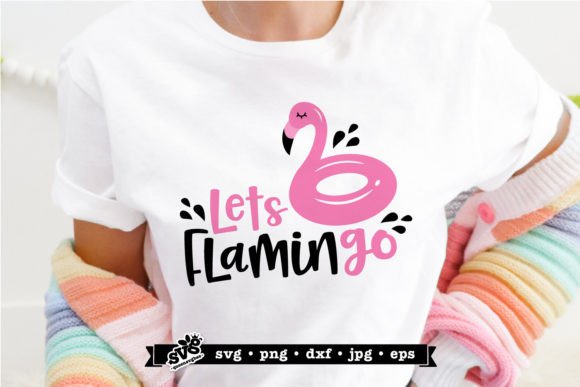
Let’s Flamingo SVG: A Designer’s Stitch Review
As an embroidery designer who has spent countless hours digitizing and stitching out thousands of files, I have learned that not every graphic translates well to thread. When I first opened the Let s Flamingo SVG, my initial reaction was one of cautious optimism. The summer theme is undeniably popular, but the execution determines whether a design ends up as a bestseller or a scrap bin regret. This isn’t just about having a cute image; it is about understanding how those lines will behave under the needle.
The visual personality of this design leans heavily into fun and relaxation. It captures that carefree vacation mood that customers love during the warmer months. However, from a technical standpoint, I immediately started analyzing the line weights and spacing. In the world of Crafts and digital Graphics, what looks crisp on a screen can sometimes turn into a tangled mess on fabric if the details are too fine or the elements are too close together.
Real-World Application: The Summer Tote Test
To truly evaluate the Let s Flamingo SVG, I imagined a specific real-life scenario: creating a custom embroidered tote bag for a local boutique’s summer collection. Tote bags are a staple for Etsy sellers and small shop owners because they offer a large, flat canvas. But they also present challenges. The fabric is often a heavier canvas or cotton blend, which requires specific attention to stitch density and stabilizer choice.
If I were stitching this design onto a natural-colored canvas tote, the contrast would be key. The flamingo motif needs to pop. I would likely choose vibrant pink thread colors for the bird against a neutral background. The design’s layout suggests it would sit nicely in the center of the bag or offset to the corner for a more modern look. Because this is a machine embroidery design intended for DIY crafting and handmade business product lines, the scalability is crucial. I need to know that if I shrink it for a pocket or enlarge it for a blanket, the integrity of the shape remains intact.
Performance Across Different Products
Beyond tote bags, the versatility of this embroidery file is worth exploring. For custom apparel, such as a white linen shirt or a pastel sweatshirt, the design offers a playful accent. Sweatshirt embroidery requires careful handling of pile fabrics, so ensuring the design doesn’t have excessive underlay that causes puckering is vital. The "funny summer" vibe of the SVG makes it a strong candidate for casual wear, appealing to buyers looking for personalized, lighthearted gifts.
For baby embroidery projects, such as onesies or nursery decor, the simplicity of the flamingo shape is an asset. Complex, dense designs can feel heavy and stiff on delicate baby skin. If the Let s Flamingo SVG utilizes lighter fill stitches or even incorporates applique design techniques, it would be ideal for these sensitive items. An embroidered patch featuring this design could also be a hit for craft fairs, allowing customers to iron or sew it onto denim jackets or backpacks.
However, context matters. While it works beautifully for holiday embroidery related to summer vacations or tropical themes, it might feel out of place in formal or winter-themed collections. Understanding your niche as a craft business owner helps determine where this asset fits best. It is a seasonal driver, perfect for boosting sales between late spring and early autumn.
Technical Considerations and Potential Pitfalls
No design is without its limitations, and honest review requires addressing where caution is needed. One major concern with any SVG converted for embroidery is the treatment of small details. If the Let s Flamingo SVG includes tiny text or intricate feather details, these can become problematic on textured fabrics or when using lower-quality threads. Tiny lettering often gets lost in the stitch definition, so if there is text included, I would advise testing it at the smallest intended size before committing to a production run.
Hoop size is another critical factor. While the design may fit standard hoops, placing it on curved surfaces like caps requires digitizing adjustments that a raw SVG does not provide. If you are planning cap embroidery, ensure you have the skills or software to adjust the pull compensation, or stick to flat items like pillow covers and kitchen towels. Additionally, on stretchy fabric, improper hooping can distort the flamingo’s shape, making it look warped rather than whimsical.
Dense stitch areas are another point of inspection. If the design relies heavily on satin stitch borders without adequate running stitch anchoring, it may snag during washing. For products that need frequent laundering, such as tea towels or aprons, durability is paramount. I always recommend checking the stitch density in your embroidery software. If it looks too solid, consider breaking up large fill areas with lighter patterns to reduce thread bulk and improve drape.
Enhancing Visual Appeal and Brand Value
From a branding perspective, the quality of your design assets reflects directly on your professionalism. A clean, well-stitched finished product builds customer trust. When a buyer sees a crisp flamingo design on a personalized gift, they perceive higher value. This perception allows for better pricing power and repeat business. The Let s Flamingo SVG contributes to this by offering a recognizable, trendy motif that resonates with current aesthetic trends.
For digital product sellers, providing high-quality mockups is essential. Using this design in printable mockup scenarios helps customers visualize the end result. Whether it is displayed on a beach bag or a summer dress, the visual appeal drives engagement. Consistency in your shop’s offerings—using cohesive themes like this summer collection—helps in building a recognizable brand identity.
Practical Notes for the Embroiderer
Before you load this design into your machine, take these practical steps to ensure success:
- Test on Scrap Fabric: Always stitch out a test sample on the same type of fabric you intend to use for the final product. This reveals any tension issues or registration errors.
- Check Thread Contrast: View your design in black and white on your screen. If the details disappear, you may need to adjust thread colors or simplify the design for better visibility.
- Select the Right Stabilizer: Match your stabilizer to your fabric weight. Cut-away stabilizers are generally better for stretchy knits, while tear-away works for stable wovens.
- Verify Licensing: Since this is a commercial embroidery asset, confirm the license terms. Ensure you are allowed to sell finished physical items made with this design. Most SVG licenses allow for physical sales but restrict the resale of the digital file itself.
- Inspect Small Details: Zoom in on the design in your embroidery software. Look for overlapping stitches or tiny jumps that might cause thread breaks.
In conclusion, the Let s Flamingo SVG is a promising addition to your library of embroidery project files. It captures the essence of summer with a playful spirit that appeals to a broad audience. By approaching it with a designer’s eye—considering fabric choice, stitch technique, and end-use—you can transform this digital graphic into a high-quality, tangible product that delights customers and strengthens your brand. Whether you are an experienced Etsy seller or a hobbyist making gifts for friends, this design offers a solid foundation for creative expression, provided you respect the technical nuances of machine embroidery.