Reviewing Home SVG Cut File for Real Embroidery Use
As a designer who spends more time staring at stitch simulations than I care to admit, I have learned that not every digital file translates well to thread. We often see beautiful Graphics on screen that turn into messy, tangled nightmares once the needle hits the fabric. That is why I approach every new asset with a mix of curiosity and caution. Recently, I spent some time evaluating the Home SVG Cut File, looking past the marketing copy to understand how it actually performs in a real-world embroidery project. This review is for my fellow Etsy sellers, craft business owners, and hobbyists who need to know if this design is worth their hoop time.
First Impressions and Visual Personality
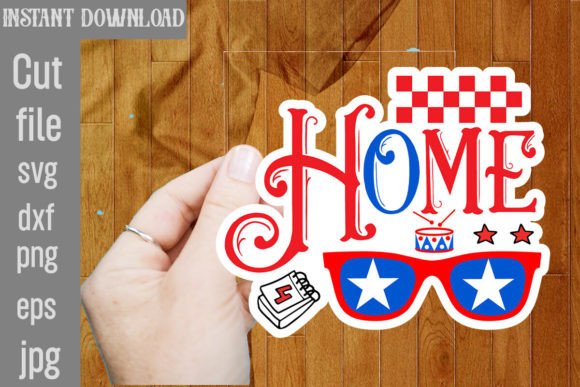
The first thing that strikes you about the Home SVG Cut File is its versatility. It does not scream for attention with overly complex details or fragile lines that are destined to break under tension. Instead, it offers a clean, grounded aesthetic that feels welcoming. In the realm of Crafts, "home" themed designs can often feel cliché, but this particular layout manages to feel fresh. The shapes are bold enough to hold their own when translated into satin stitch or fill stitch, which is crucial for durability.
When I loaded the file into my design software, I was looking for potential pitfalls. Are there tiny corners that will bunch up? Is the spacing between elements tight enough to cause pull issues on stretchy fabrics? The initial vector paths looked promising. The design has a balanced weight, suggesting it would sit comfortably on a variety of items without overwhelming the garment. It feels like a design meant for living, not just for display.
Real-World Application: The Tote Bag Test
To truly test the viability of this digital embroidery file, I imagined a specific client request: a set of reusable market totes for a local bakery. This is a common small shop product scenario where durability and visual appeal must coexist. I placed the Home SVG Cut File centrally on a canvas tote mockup. The result was immediate clarity. The design’s structure allowed for a dense enough stitch count to cover the weave of the canvas without looking like a solid plastic patch.
For a tote bag design, you need something that reads well from a distance. This design delivers that. If I were stitching this for real, I would likely opt for a high-contrast thread colors palette—perhaps a deep navy on natural cotton or a crisp white on denim. The simplicity of the shape means it does not rely on subtle shading to make an impact, which is a huge plus for commercial production where speed and consistency matter. It transforms a basic utility item into a personalized gift or a branded piece of merchandise with minimal effort.
Apparel and Custom Wearables
Moving beyond accessories, I considered how this design would perform on custom apparel. Specifically, I visualized it on a heavyweight fleece sweatshirt. Sweatshirt embroidery requires careful handling of stitch density because the fabric is thick and prone to puckering if the design is too heavy. The Home SVG Cut File appears to have open enough spaces that it would not create a stiff, cardboard-like feel on the chest of a hoodie.
However, context is everything. If you are planning to use this on a thin t-shirt, you must be diligent with your stabilizer choice. A cut-away stabilizer would be non-negotiable here to support the stitches over the life of the garment. For baby embroidery, such as on a onesie or burp cloth, the design’s lack of tiny, intricate protrusions is a safety and durability benefit. It reduces the risk of threads snagging during frequent washing, making it a safer choice for items that will see heavy use.
Navigating Technical Challenges
No design is perfect for every situation, and honest reviewing means acknowledging where caution is needed. While the Home SVG Cut File is robust, it is not immune to the physics of embroidery. If you are working with a small hoop size, you need to ensure the design scales down without losing its integrity. Some elements might become too close together, leading to thread breaks or bird’s nests underneath.
Additionally, consider the fabric texture. On highly textured materials like terry cloth or waffle knit, the finer details of any design can get lost. I recommend running a test stitch on scrap fabric before committing to your final finished product. This is especially true if you are using this for an embroidered patch intended for iron-on application. Patches require tight, clean edges, and you may need to adjust the running stitch borders to ensure a crisp finish.
Dark fabrics present another challenge. If you are stitching a light-colored version of this design on black fabric, you must check for gap coverage. Sometimes, the underlying fabric shows through if the stitch density is too low. A quick preview in your software using a contrasting background color can save you from having to unpick hours of work.
Commercial Value and Brand Consistency
For the commercial embroidery professional, the value of a design lies in its repeatability and customer reception. The Home SVG Cut File fits neatly into the current trend of minimalist, cozy aesthetics. It appeals to buyers looking for holiday embroidery gifts or housewarming presents. Because it is not overly seasonal, it can be sold year-round, which is ideal for maintaining steady inventory in an online store.
Using this design in your printable mockup listings can help visualize the end result for customers who may not understand how embroidery differs from printing. Showing the texture of the thread adds perceived value. It signals quality. When a customer sees a well-executed stitch pattern, they trust the maker more. This design supports that trust by offering a clean, professional look that does not appear amateurish or rushed.
Practical Designer Notes
Before you purchase or download this asset for your next design assets library, keep these practical steps in mind:
- Check the License: Always confirm whether the file allows for commercial use if you plan to sell handmade product items. The description mentions compatibility with cutting machines, but embroidery licensing can differ.
- Test Stitch First: Never skip the test run. Use scrap fabric similar to your final material to check tension and density.
- Contrast Matters: Ensure your thread choice stands out against the fabric. Low contrast can make even the best design look muddy.
- Stabilize Correctly: Match your stabilizer to your fabric weight. Stretchy knits need different support than woven cottons.
- Verify File Types: The product description notes a range of file types compatible with major electronic cutting machines. Ensure you have the specific embroidery format (such as PES, DST, or JEF) required by your machine, as SVGs are primarily for cutting, not stitching, unless converted or included in a multi-format pack.
In conclusion, the Home SVG Cut File is a solid addition to a designer’s toolkit. It is not flashy, but it is functional, attractive, and adaptable. For those of us who build our businesses on the quality of our finished product, having reliable, versatile designs like this is essential. It respects the limitations of the medium while maximizing visual impact. Whether you are creating a single personalized gift for a friend or stocking your Etsy seller shop with new inventory, this design holds up under scrutiny. Just remember to respect the technical requirements of your machine and fabric, and you will likely find it to be a dependable staple in your creative workflow.