Reviewing Mountain Range SVG for Embroidery Projects
As a designer who spends half my life digitizing and the other half stitching, I have learned that not every vector file translates well to thread. We live in an era where digital assets are abundant, but finding a Mountain Range Svg, Hiking Svg, Trail Sv that actually respects the limitations of embroidery machines is a different challenge entirely. I recently pulled this specific design into my workflow to evaluate its potential for real-world application, moving beyond the screen to see how it holds up under the needle.
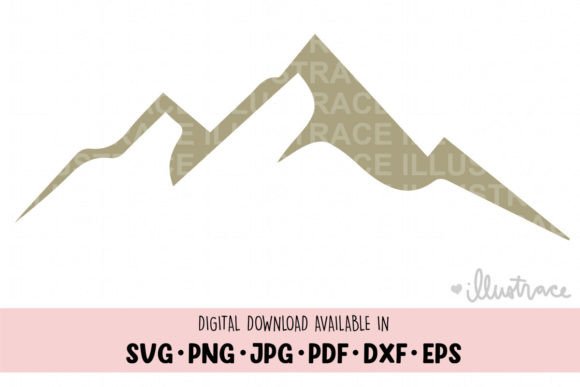
The first impression of this graphic is one of rugged simplicity. It captures the essence of the outdoors without relying on excessive detail that often causes stitching nightmares. The silhouette style suggests a modern, minimalist aesthetic that appeals to the current market trends in Crafts and handmade goods. For an embroidery designer, this clean layout is inviting because it implies manageable stitch counts and clear pathing, provided the digitizer has done their job correctly.
The Real-World Test: A Custom Tote Bag Project
To truly test the viability of this design, I decided to apply it to a custom canvas tote bag, a staple item for any Etsy seller or small shop owner. The client wanted a "Never Stop Exploring" vibe for a local hiking group’s merchandise. I chose a heavy-duty cotton canvas, which is forgiving but requires precise tension control.
When I loaded the Adventure svg, Outdoor svg concept into my machine, the primary concern was the width of the mountain peaks. In vector formats used for Cricut or Silhouette, sharp points are easy to cut. In embroidery, however, sharp points can lead to thread breaks or puckering if not properly under-stitched. I ran a test on scrap fabric first, which is a non-negotiable step for any professional. The result was promising. The lines were crisp, and the overall shape held its integrity without pulling the fabric out of shape.
This experience highlighted why choosing the right embroidery file matters. A design that looks perfect as a Hiking png or Travel svg for sublimation might fail miserably when converted to stitches if the density is too high. This particular design seemed to balance visual impact with structural stability, making it a strong candidate for a finished product that needs to withstand regular use.
Versatility Across Apparel and Home Decor
Beyond tote bags, I evaluated how this Nature svg would perform on various other substrates. The versatility of a simple mountain range is its greatest asset. Here is how it translates across different categories:
- Sweatshirt Embroidery: On fleece or cotton blends, the design stands out beautifully. The contrast between the thread and the textured fabric adds depth. However, using a cut-away stabilizer is essential to prevent the weight of the stitches from distorting the garment over time.
- Baby Embroidery: For onesies or baby blankets, the scale must be reduced. I found that shrinking the design too much can cause the details to merge. If you are creating a personalized gift for a newborn, ensure the smallest peak remains distinct. Soft, pastel thread colors work best here, moving away from the traditional stark blacks or greens.
- Embroidered Patch: This design is ideal for patches. The contained shape allows for a neat satin stitch border, which frames the mountains effectively. Patches are a high-margin item for craft business owners, and this graphic lends itself well to that format.
- Caps and Hats: Curved surfaces are tricky. While the design is relatively flat, placing it on the front panel of a cap requires careful hooping. I recommend using a stiff stabilizer and ensuring the design is centered perfectly, as any asymmetry in the mountain peaks will be immediately noticeable to the buyer.
Technical Considerations for Stitching Success
While the aesthetic appeal of the Mountain Range Svg, Hiking Svg, Trail Sv is high, technical execution determines whether it becomes a bestseller or a return statistic. Here are the critical factors I observed during the review process.
Stitch Density and Type: The design likely utilizes a combination of fill stitch for the body of the mountains and satin stitch or running stitch for outlines. If the fill density is too high, the fabric will pucker, especially on thinner materials like t-shirts. If it is too low, the backing fabric might show through. Always check the stitch count if provided, or run a test stitch-out to gauge density.
Fabric Texture and Color: Dark fabrics require careful planning. If you are stitching white or light-colored threads on a black hoodie, you must ensure the underlay is sufficient to prevent the dark fabric from peeking through the top stitches. Conversely, on light fabrics, dark threads provide excellent contrast but can cast shadows if the pile is too dense. Testing on both light and dark fabric texture samples is crucial before committing to a full production run.
Small Details and Corners: The jagged nature of mountain ranges means there are many acute angles. Machines struggle with sharp turns if the speed is too high. Slowing down the machine during these sections can prevent thread breaks and ensure crisp corners. If the design includes tiny text like "Explore," verify that the lettering is legible at your intended size. Tiny lettering often blurs in embroidery, so consider simplifying or enlarging text elements.
Commercial Viability and Brand Consistency
For commercial embroidery professionals and digital product sellers, the value of this design lies in its broad appeal. The outdoor theme is evergreen, appealing to hikers, campers, and nature lovers year-round. It fits seamlessly into collections focused on wellness, adventure, and sustainability.
Using this design assets package allows for consistent branding across multiple products. You can offer the same mountain motif on a tote bag design, a kitchen towel, and a pillow cover, creating a cohesive product line. This consistency builds customer trust and recognition. When buyers see a high-quality handmade product with clean stitching and a professional finish, they are more likely to return for future purchases.
However, always verify the licensing terms. Just because a file is labeled as a Vector, Cricut, Silhouette, Glowforge Cut compatible asset does not automatically grant commercial rights for embroidered goods. Ensure you have the right to sell finished product items made with this design. Many creators offer separate licenses for physical vs. digital sales.
Final Verdict for Makers and Designers
The Mountain Range Svg, Hiking Svg, Trail Sv is a solid addition to any designer’s library, provided it is approached with technical mindfulness. It is not just a pretty picture; it is a functional element that, when stitched correctly, adds significant value to custom apparel and home decor.
My advice to fellow makers is to treat this design as a starting point. Experiment with thread colors to match seasonal trends—earthy tones for autumn, cool blues for winter. Use proper hoop size techniques to maximize stability. And never skip the test stitch. By respecting the medium of embroidery, you can transform a simple digital file into a tangible, cherished holiday embroidery gift or a profitable small shop product. The mountains may be static, but your creativity in applying them should always be moving forward.