Review: Believe You Can Embroidery Design
As a designer who spends more time staring at stitch simulations than actual fabric, I have learned that typography is the hardest element to translate into thread. Words carry weight, but in embroidery, they also carry tension, density, and the risk of puckering. When I first opened the Believe You Can and You re Halfway There design file, my immediate reaction was cautious optimism. This phrase is a staple in the motivational decor space, but executing it well requires a balance between legibility and aesthetic flow. This review breaks down how this specific digital asset performs when moved from the screen to the hoop, offering practical insights for fellow embroidery designers, Etsy sellers, and craft business owners.
First Impressions and Visual Personality
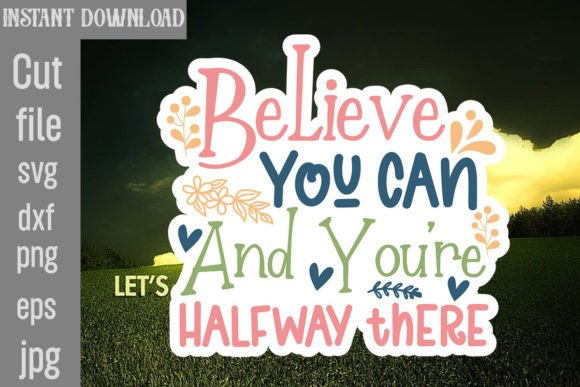
The mood of Believe You Can and You re Halfway There is inherently uplifting, but visually, it leans towards a clean, modern script rather than a overly ornate vintage style. This is a crucial distinction for production. Overly complex scripts often result in thread breaks or lost details in small sizes. Upon inspecting the included files—specifically the SVG for Cricut and the EPS vector—I noticed the lines are smooth and consistent. For embroidery purposes, this suggests that the digitizer likely prioritized clear pathing over excessive decorative flourishes.
The layout feels balanced, with a natural rhythm that guides the eye across the phrase. For those of us creating design assets for commercial use, this visual personality is versatile. It does not scream "childish," nor does it feel too corporate. It sits comfortably in the handmade, artisanal niche. Whether you are branding a boutique yoga studio or creating personalized gifts for a graduation, the tone is appropriate. The transparent PNG provided at 300 DPI allows for quick mockups, which is essential for testing how the text interacts with different background colors before committing to thread.
Real-World Application: The Tote Bag Test
To truly evaluate a machine embroidery design, you must imagine it on a tangible product. I visualized this design centered on a heavy canvas tote bag. This is a popular item for small shop products and craft fair merchandise. The phrase length is moderate, meaning it will fit comfortably within a standard 5x7 or 6x10 hoop without requiring excessive resizing that could distort the letter proportions.
In this scenario, the design acts as the focal point. Because the text is the primary element, the choice of thread colors becomes critical. A high-contrast combination, such as navy thread on natural cotton, would emphasize the clarity of the letters. However, if you are aiming for a subtle, tonal look, you must be careful. The phrase contains several thin connectors between letters. If the contrast is too low, these details may vanish, reducing the impact of the message. For an Etsy seller, this means your product photography must highlight the texture of the stitch to convey quality.
Apparel and Custom Sweatshirts
Moving to apparel, specifically a crewneck sweatshirt, presents different challenges. Sweatshirt embroidery requires attention to stitch density. If this design uses a heavy fill stitch for the letters, it can create a stiff patch on soft fleece, which is uncomfortable for the wearer. While the product description confirms the inclusion of SVG, DXF, EPS, and PNG files, it does not specify the stitch type or density of the embroidery file itself. This is a vital check for any professional.
If you are converting this vector data into an embroidery format using your own software, you have control. You might choose a satin stitch for smaller sizes to keep the profile low, or a lightweight fill stitch for larger placements. If you are using a pre-digitized version not explicitly detailed here, always run a test on scrap fabric identical to your final garment. Check for pull compensation, especially on stretchy fabrics. A design that looks perfect on a stable cotton towel might pucker badly on a polyester blend jersey.
Navigating Technical Constraints
Every design has its limits, and understanding where Believe You Can and You re Halfway There struggles is just as important as knowing where it shines. Here are the areas where I would exercise caution:
- Small Hoop Sizes: Attempting to shrink this phrase into a 4x4 hoop for a baby onesie or a pocket logo is risky. The smaller the text, the more likely the tiny details and serifs will merge into a blob of thread. For baby embroidery, consider simplifying the design or using a single-word variant if available.
- Textured Fabrics: On highly textured materials like terry cloth towels or chunky knits, fine lines can get lost in the pile. A running stitch outline might help define the edges, but ensure your stabilizer is robust enough to prevent sinking.
- Curved Surfaces: Applying this to a cap or hat requires careful hooping. The horizontal nature of the text works well on the front panel of a cap, but you must account for the curve. Distortion can occur if the design is too wide relative to the cap's curvature.
- Dense Stitch Areas: If the digitization relies heavily on dense fills, washing durability becomes a concern. Frequent washing can cause thick embroidery to crack or pull away from the fabric. Always recommend gentle care instructions to your customers.
Enhancing Product Value and Brand Consistency
For commercial embroidery projects, consistency is key. Using a reliable design like this helps build trust with buyers. When a customer receives a personalized gift or a custom item that looks professional, they are more likely to return. The clean lines of this phrase contribute to a polished finished product. It does not look amateurish or hastily thrown together.
Furthermore, this design supports brand consistency for makers who focus on motivational or wellness-themed goods. By pairing this embroidery with complementary graphics—perhaps a simple leaf motif or geometric border available in other Crafts categories—you can create a cohesive collection. The versatility of the included file formats (SVG for cutting machines, PNG for printing) allows you to offer mixed-media products. For example, you could embroider the phrase on a tote bag and print a matching card using the PNG file, increasing the perceived value of the package.
Practical Designer Notes for Execution
Before you list this item in your small shop product lineup or use it for a client order, follow these practical steps to ensure success:
- Test on Scrap Fabric: Never skip this step. Use the exact fabric and stabilizer combination you plan to use for the final product. Check for puckering, thread breaks, and registration issues.
- Check Thread Contrast: View your design in black and white. If the details disappear in grayscale, they will likely be hard to see in low-contrast thread choices. Adjust your color palette accordingly.
- Verify Licensing: The product description states it is a DIGITAL DOWNLOAD ONLY. Ensure you understand the license terms regarding commercial use. Can you sell finished physical items? Can you resell the digital file? Clarify this before investing time in production.
- Inspect Small Details: Zoom in on the vector files (EPS/SVG) to check for anchor points that might cause jagged edges if converted poorly. Clean up any unnecessary nodes before digitizing or cutting.
- Use Proper Stabilizer: For best results, match your stabilizer to your fabric. Cut-away stabilizer is generally recommended for knit fabrics like sweatshirts, while tear-away works well for woven cottons like tote bags.
In conclusion, Believe You Can and You re Halfway There is a solid addition to any designer’s library of Graphics and embroidery assets. It offers a professional, clean aesthetic that translates well to various mediums, from embroidered patches to large wall hangings. By respecting its technical limitations and preparing thoroughly, you can create high-quality, engaging products that resonate with customers. Remember, the design is only half the battle; the execution is what defines your brand.