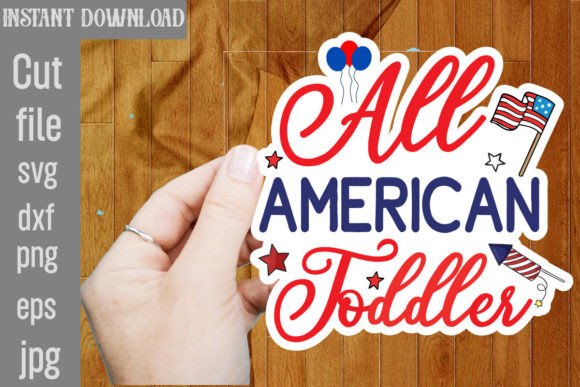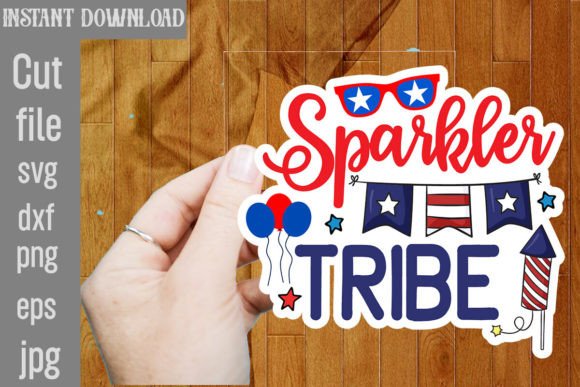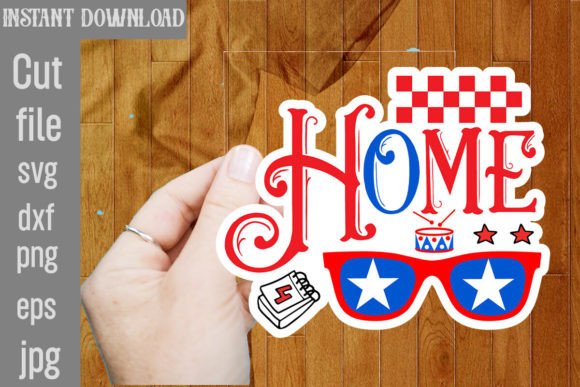
Reviewing the All American Habby SVG Cut File
As a designer who spends half my life digitizing patterns and the other half stitching them out, I have learned that not every digital embroidery file is created equal. Some look stunning on a screen but turn into a tangled mess of thread breaks and puckering on fabric. Others are so simple they lack impact. Today, I am taking a close, practical look at the All American Habby SVG Cut File. This isn’t just about whether it looks cute; it is about whether it holds up in the real world of craft business production, client deadlines, and quality control.
First Impressions: Mood and Visual Personality
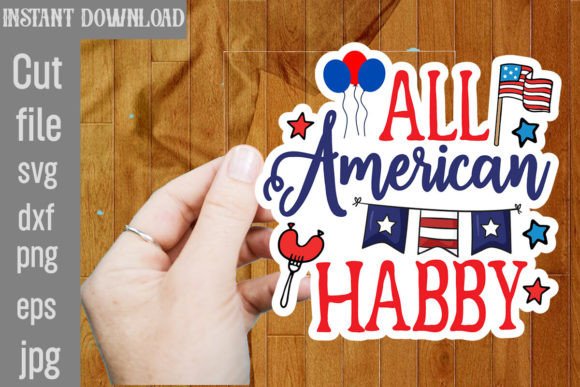
When I first opened the preview for the All American Habby SVG Cut File, the immediate vibe was nostalgic yet clean. It carries that classic Americana aesthetic without feeling dated or overly cluttered. For those of us in the Crafts and Graphics space, we know that "simple" is often harder to execute than "complex." The lines appear crisp, suggesting that the vector paths are well-constructed. This is crucial because clean vectors translate directly to smoother machine paths, fewer jumps, and a more professional finished product.
The design feels versatile. It does not scream for attention with excessive detail, which makes it an excellent candidate for various applications. It strikes a balance between bold visibility and subtle charm, making it suitable for both modern minimalist home decor and traditional patriotic themes. If you are an Etsy seller looking to expand your catalog beyond seasonal spikes, this kind of evergreen design is a smart addition to your design assets library.
Real-World Application: The Tote Bag Test
To truly evaluate a design, you have to imagine it stitched out. I visualized using the All American Habby SVG Cut File on a heavy canvas tote bag design. Canvas is unforgiving; if a design has poor density or weak anchoring, the fabric shows every flaw. Here, the layout suggests a solid central motif that would sit comfortably in a standard 5x7 or 6x10 hoop.
I can see this working beautifully as a personalized gift for summer holidays or local market events. Imagine pairing it with a contrasting thread color against a natural beige tote. The visual appeal relies heavily on the contrast between the thread colors and the fabric texture. Because the design likely utilizes a mix of fill stitch areas for solidity and satin stitch borders for definition, it should pop nicely without looking flat. For a small shop product, this level of clarity builds customer trust. Buyers want items that look durable and well-made, not like a quick DIY experiment.
Apparel and Custom Wearables
Moving beyond bags, let’s talk about custom apparel. I considered how this graphic would perform on a heather grey sweatshirt. Sweatshirt embroidery requires careful handling of stitch density. If the design is too dense, the garment becomes stiff and uncomfortable. If it is too light, the fleece pile might peek through, ruining the crispness of the image. Based on the visual weight of the All American Habby SVG Cut File, it seems balanced enough to work on medium-weight fabrics, provided you use the right stabilizer.
For baby embroidery projects, such as a onesie or a nursery blanket, the softness of the stitch is paramount. While I cannot confirm the exact stitch count from the description, the open nature of the design suggests it might not be overly aggressive on delicate knits. However, always test on scrap fabric first. A running stitch outline might be used for finer details, which is gentle on thin materials but requires precise tension settings.
Technical Considerations and Potential Pitfalls
No design is perfect for every scenario. As an experienced reviewer, I must point out where caution is needed. The All American Habby SVG Cut File appears to have some intricate elements. When working with embroidered patch creations, these details can get lost if the patch is too small. I would advise against shrinking this design below three inches wide, as the fine lines may merge or cause thread breaks.
Another critical factor is the surface. Curved surfaces like caps present a challenge. If you plan to use this for hat embroidery, ensure your digitizing software allows for proper pull compensation. The description mentions compatibility with major electronic cutting machines, which implies it is primarily a cut file format (SVG) that may need to be converted or paired with a specific embroidery format (like PES or DST) for stitching. Always confirm the file types included in the .zip package. If it is strictly an SVG for cutting, you will need to trace it into your embroidery software to generate the stitch data, giving you control over stitch density and underlay.
Dark fabrics also require strategic planning. If you are stitching on navy or black, you must use a bright underlay or a backing material to prevent the dark fabric from showing through the lighter threads. This affects the overall visual appeal and professionalism of the piece. A poorly executed dark-on-dark stitch job can look muddy and cheap, hurting your brand consistency.
Enhancing Product Value and Brand Consistency
Why does this matter for your bottom line? Because consistency creates recognition. When customers see a clean, well-stitched All American Habby SVG Cut File on your holiday embroidery collection, they associate that quality with your brand. Whether you are selling commercial embroidery services to local businesses or creating printable mockup previews for your online store, the integrity of the design source file matters.
Using high-quality Graphics ensures that your marketing images look sharp. A pixelated or poorly defined source file leads to blurry mockups, which reduces buyer engagement. By choosing a well-structured file, you save time on editing and ensure that your digital presence matches the physical quality of your handmade product.
Practical Designer Notes for Best Results
Before you commit to a large production run, follow these steps to ensure success with the All American Habby SVG Cut File:
- Test on Scrap Fabric: Never stitch directly on your final garment. Use the same fabric type and weight to check for puckering or thread breaks.
- Check Thread Contrast: View your design in black and white. If the details disappear in grayscale, they will likely get lost in low-contrast thread choices.
- Verify Hoop Size: Ensure the design fits comfortably within your machine’s hoop, leaving at least half an inch of margin for stability.
- Use Proper Stabilizer: Match your stabilizer to your fabric. Cut-away for stretchy knits, tear-away for stable wovens.
- Confirm Licensing: The description mentions an inclusive .zip file, but always read the specific license terms. Can you sell finished items? Are there restrictions on digital resale? Clarify this before listing on Etsy or other platforms.
- Inspect Small Details: Zoom in on the vector file. Look for stray nodes or overlapping paths that could cause your cutting machine or embroidery software to glitch.
Final Verdict
The All American Habby SVG Cut File offers a solid foundation for creators who value clean aesthetics and versatility. It is not just a pretty picture; it is a functional tool for building a cohesive product line. Whether you are creating a personalized gift for a neighbor or stocking your small shop product inventory for the upcoming season, this design holds up under scrutiny. Just remember that the file is only as good as the execution. Take the time to understand your materials, respect the technical limits of your machine, and always prioritize quality control. That is how you turn a simple embroidery project into a standout piece that customers love and trust.