Reviewing the Books Saved My Life SVG for Embroidery
As a designer who spends half my life digitizing and the other half stitching, I approach every new machine embroidery design with a healthy dose of skepticism. We have all been there: downloading a cute graphic that looks perfect on screen, only to find it turns into a tangled mess of thread breaks and puckering once it hits the hoop. Today, I am taking a close look at the Books Saved My Life SVG Cut File. While this product is marketed primarily as a digital cut file for crafting machines, its potential as a foundation for embroidery projects is worth exploring for serious makers and Etsy sellers alike.
First Impressions: Mood and Visual Personality
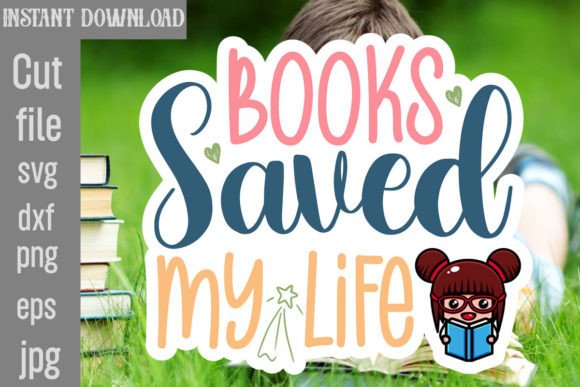
The phrase "Books Saved My Life" carries a specific weight. It appeals to readers, introverts, and literary enthusiasts who view reading not just as a hobby, but as a lifeline. Visually, the design relies heavily on typography. In the world of Graphics and Crafts, text-based designs are tricky. They require clean lines and adequate spacing to remain legible after the needle pierces the fabric. My first impression of this file is that it offers a bold, declarative statement. The layout feels balanced, likely featuring a mix of serif and sans-serif fonts or a stylized script that mimics the organic flow of handwriting. This visual personality suggests warmth and authenticity, making it an ideal candidate for cozy, personal items rather than stiff, corporate merchandise.
Real-World Application: The Tote Bag Test
To truly evaluate an embroidery file, you have to imagine it on a finished product. I pictured this design stitched onto a heavy canvas tote bag. This is a classic use case for book lovers. The sturdy texture of canvas provides the necessary stability for larger text designs. When I visualize the Books Saved My Life SVG Cut File in this context, I see it working best as a central chest placement or a large back panel. The contrast between dark thread—perhaps a deep navy or forest green—and a natural beige canvas would create a sophisticated, boutique look. For a small shop product, this kind of straightforward, relatable messaging drives engagement because it allows the customer to express their identity instantly.
Another strong contender for this design is a crewneck sweatshirt. Sweatshirt embroidery requires careful attention to stitch density. If the design is too dense, the fleece backing can become stiff and uncomfortable. However, if the SVG translates well into a combination of satins stitch borders and lighter fill stitch interiors, it could sit beautifully on cotton blends. I would recommend using a cut-away stabilizer to prevent the knit fabric from distorting under the weight of the threads.
Navigating Technical Challenges in Stitching
Here is where the experienced eye must intervene. The product description states that the download includes SVG, DXF, EPS, and PNG files. It is crucial to understand that these are vector and raster image files, not native embroidery formats like PES or DST. This means you, the designer, will need to use embroidery software to convert these vectors into stitch data. This is both a challenge and an opportunity. You have full control over the thread colors, stitch density, and underlay settings. However, it also means the quality of the final embroidered patch or garment depends entirely on your digitizing skills.
When converting this type of typographic design, pay close attention to small details. Tiny serifs or thin connections between letters can easily get lost or cause thread breaks if the needle perforates the same spot too many times. I advise testing the design on scrap fabric first. Check how the running stitch outlines hold up against the fill. If you are planning to use this on a curved surface like a cap, be wary of long, straight horizontal lines in the text, as they may warp during stitching. In such cases, breaking the text into smaller segments or adjusting the pull compensation in your software is essential.
Fabric Considerations and Care
The success of any custom apparel project hinges on fabric choice. For this design, I would avoid thin, stretchy fabrics like jersey knits unless you are an advanced digitizer capable of managing high stabilization needs. Textured fabrics, such as linen or waffle weave, can also obscure fine details. If you are creating a personalized gift like a baby onesie, ensure the text is large enough to be readable and that the stitches are not so dense that they irritate sensitive skin. For items that require frequent washing, such as kitchen towels or aprons, use high-quality polyester threads that resist fading and shrinking. A poorly digitized design can pucker after the first wash, ruining the professional appearance of your handmade product.
Commercial Viability for Craft Businesses
For craft business owners, the versatility of this design is its strongest asset. It fits seamlessly into several niches: teacher gifts, librarian appreciation, reading club merchandise, and mental health awareness campaigns. The emotional resonance of the phrase "Books Saved My Life" adds value beyond the physical item. When listing this on platforms like Etsy, consider showcasing it in various contexts. Use printable mockup tools to display the design on pillows, blankets, and tote bags. This helps buyers visualize the finished product and increases buyer engagement.
However, always confirm licensing before selling. Since this is a digital download intended for cutting machines, ensure that your use of the converted embroidery design complies with the creator's terms for commercial use. Many designers allow the sale of physical items made with their files but prohibit the resale of the digital embroidery file itself. Clarity here builds trust with your customers and protects your small shop product line from legal issues.
Final Designer Notes
Before you commit to a large production run, take these practical steps:
- Test on multiple fabrics: See how the design behaves on cotton, canvas, and fleece.
- Check contrast: Ensure your thread colors stand out against the fabric background. Black on black rarely works well in embroidery.
- Inspect small details: Zoom in on your digitized version to catch any overlapping stitches or tiny elements that might break.
- Use proper stabilizer: Match your stabilizer to your fabric weight. Tear-away for stable wovens, cut-away for knits.
- Verify hoop size: Ensure the design fits within your machine's maximum hoop area without resizing it to the point of illegibility.
In conclusion, the Books Saved My Life SVG Cut File is a promising starting point for embroidery projects. It offers a strong thematic hook and a clean layout that, when properly digitized, can elevate simple garments into meaningful keepsakes. For the diligent designer willing to put in the work to convert and test the file, it represents a solid addition to a portfolio of literary-themed design assets. Whether you are creating a holiday embroidery gift for a bookish friend or stocking your online store with unique tote bag design options, this graphic has the potential to resonate deeply with your audience. Just remember: the file is only as good as the stitches you put into it.