Reviewing the Never Stop Exploring and Trailer SVG for Embroidery
As a designer who spends half my life digitizing vectors and the other half watching needles punch through fabric, I have learned that not every graphic translates well to thread. We often see stunning Graphics in the digital space—clean lines, perfect gradients, and crisp edges—that fall apart when subjected to the physical realities of an embroidery machine. Today, I am taking a close, practical look at the Never Stop Exploring Svg, Trailer Svg bundle. This is a popular theme in the Crafts category, but does it hold up under the needle? Let’s dig into how this design performs in real-world applications, from custom apparel to boutique merchandise.
First Impressions: Mood and Visual Personality
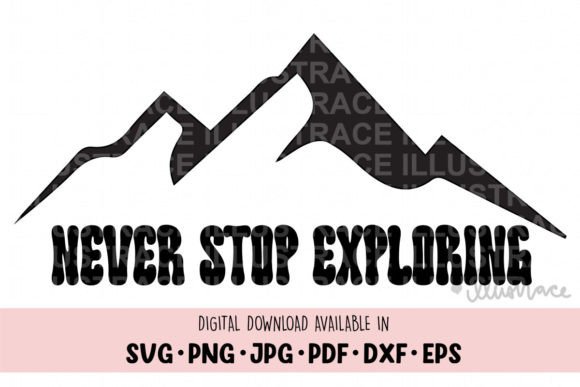
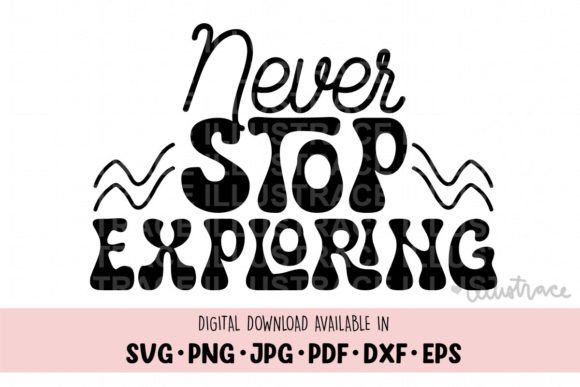
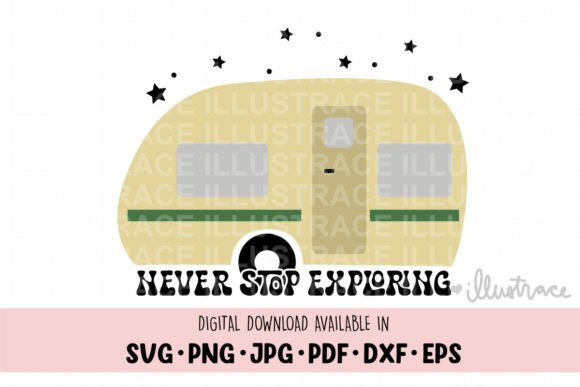
The first thing that strikes me about the Never Stop Exploring Svg, Trailer Svg set is its inherent narrative. It captures a specific mood: wanderlust, freedom, and the rugged charm of outdoor living. Visually, these designs tend to rely on strong silhouettes—the outline of a vintage trailer, the jagged peak of a mountain, or bold, adventurous typography. For an embroidery designer, this is a promising start. Strong shapes usually translate better to stitch than overly complex, photo-realistic details.
However, the "easy to cut" marketing claim often associated with these SVGs requires a critical eye. In the world of vinyl cutting with Cricut or Silhouette, a single continuous line is ideal. In embroidery, we deal with stitch density, pull compensation, and fabric distortion. When I loaded the vector files into my digitizing software to inspect the potential stitch paths, I noticed that the intricate details in the "Nature svg" elements might need simplification. The visual personality is rustic and inviting, which makes it a natural fit for home decor and casual wear, but the level of detail must be managed carefully to avoid a cluttered finished product.
Real-World Application: The Custom Tote Bag Test
To truly evaluate a design, you have to imagine it on a product. I recently worked on a project for a local outdoor guide service that needed branded gear. They wanted something that felt authentic, not corporate. The Trailer svg was the perfect candidate for a heavy-duty canvas tote bag. Here is how the design thinking played out in practice.
I chose a sturdy cotton canvas, which provides a stable base for embroidery. The goal was to create a handmade product that looked professional yet approachable. I placed the Never Stop Exploring text above a simplified version of the trailer graphic. Because canvas has a visible weave, I had to consider the stitch density. If the design is too sparse, the fabric shows through, looking cheap. If it is too dense, the bag becomes stiff and the fabric puckers. By adjusting the fill stitches and adding a proper cut-away stabilizer, the design sat flat and crisp. The result was a tote bag design that customers immediately connected with—it wasn't just a logo; it was a lifestyle statement.
Versatility Across Product Lines
Beyond tote bags, this design asset shines in several other areas. For sweatshirt embroidery, the bold lines of the adventure theme work beautifully on fleece or French terry. The texture of the fabric hides minor imperfections, and the large hoop size allows for a impactful chest or back placement. For baby embroidery, such as on a onesie or burp cloth, I would recommend isolating just the simplest element, like a small mountain or the trailer icon, keeping the scale small to suit the garment. Holiday embroidery gifts, such as personalized ornaments or pillow covers, also benefit from this theme, especially during camping season or family reunion gatherings.
For Etsy sellers and small shop owners, this versatility is key. You can offer the same digital embroidery file concept across multiple products: aprons for the kitchen enthusiast, caps for the hiker, and patches for the jacket collector. This consistency helps build brand recognition and trust.
Technical Challenges and Where to Be Careful
While the aesthetic is strong, there are technical pitfalls to avoid. Not every fabric behaves the same way, and not every hoop size is suitable for complex vectors.
- Small Hoop Sizes: If you are working with a 4x4 inch hoop, the full Never Stop Exploring Svg, Trailer Svg composition may be too detailed. Tiny lettering can become illegible once stitched. I advise scaling down the text or removing it entirely for smaller applications like hat fronts or baby items.
- Stretchy and Thin Fabrics: Using this design on a lightweight tri-blend t-shirt requires caution. The weight of the thread can cause the fabric to pucker or distort. Always use a high-quality tear-away or cut-away stabilizer, and consider using a lighter weight thread to reduce bulk.
- Curved Surfaces: Embroidering on caps is tricky. The curved surface of a cap front panel can distort wide designs. The trailer graphic, if too wide, may wrap around the curve and look warped. Center the design carefully and test on a scrap piece of the same cap material first.
- Dense Stitch Areas: If the original SVG has solid black areas, converting them directly to fill stitches can create a hard, plastic-like patch on the fabric. Break up large solid areas with patterned fills or satin stitch borders to maintain fabric drape and flexibility.
Enhancing Visual Appeal and Product Value
The right execution of this design can significantly elevate the perceived value of your finished product. Customers associate clean, well-stitched embroidery with quality. When the thread colors are chosen thoughtfully—perhaps earthy greens, slate blues, and warm oranges to match the outdoor theme—the design feels cohesive and intentional. This attention to detail builds customer trust and encourages repeat business.
For commercial embroidery projects, consistency is vital. Ensure that your digitized version of the Nature svg elements maintains the same stitch direction and density across all production runs. This professionalism is what separates a hobbyist from a serious craft business. Additionally, creating high-quality printable mockup images for your online listings helps buyers visualize the design on their desired item, increasing conversion rates.
Practical Notes for the Embroidery Designer
Before you commit to stitching this design on a client's expensive garment, follow these practical steps:
- Test on Scrap Fabric: Always run a test stitch-out on the exact fabric type you plan to use. This reveals issues with tension, density, and registration.
- Check Thread Contrast: View your design in black and white. If the details disappear in grayscale, they will likely get lost in the stitch. Adjust your color palette to ensure sufficient contrast between the design and the fabric background.
- Inspect Small Details: Zoom in on the vector file. Are there tiny anchor points or overlapping paths that could cause thread breaks? Clean up the vector before digitizing.
- Confirm Licensing: This is crucial for Etsy sellers and commercial users. Verify the license terms for the Never Stop Exploring Svg, Trailer Svg. Can you sell finished physical items? Can you resell the digital file? Never assume; always check.
- Choose the Right Stabilizer: Match your stabilizer to your fabric. Knits need cut-away; wovens can often use tear-away. Hoop the stabilizer with the fabric for maximum stability.
In conclusion, the Never Stop Exploring Svg, Trailer Svg is a versatile and emotionally resonant design asset. It fits naturally into the outdoor and travel niches, offering ample opportunity for creative expression in custom apparel and home goods. However, its success depends entirely on the designer's ability to adapt the vector graphics to the physical constraints of embroidery. By respecting the fabric, managing stitch density, and testing thoroughly, you can transform these digital lines into tangible, high-value products that customers love. Whether you are creating a personalized gift or stocking your small shop product line, this design has the potential to be a standout favorite, provided it is handled with technical care and artistic insight.