Review: Never Stop Exploring SVG for Embroidery
As a designer who spends half my life staring at digitized files and the other half pulling bobbins out of tangled messes, I have learned to be skeptical of generic adventure-themed graphics. The market is flooded with "wanderlust" motifs that look great on a screen but turn into a stitching nightmare on fabric. However, when I recently pulled up the Never Stop Exploring Svg, Keep Exploring file for a client’s custom outdoor gear line, I found myself pleasantly surprised by its structural integrity and aesthetic versatility. This isn’t just another clip-art dump; it is a thoughtful piece of design that bridges the gap between digital Graphics and tactile Crafts.
First Impressions: Mood and Visual Personality
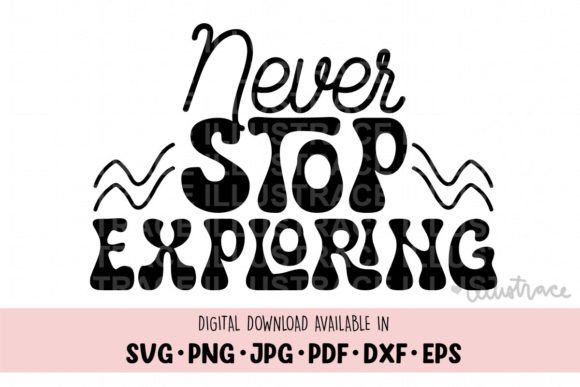
The first thing that strikes you about this design is its balanced composition. It avoids the cluttered, overly detailed look that plagues many outdoor-themed vectors. Instead, it offers clean lines and a clear hierarchy between the typography and the illustrative elements. The mood is invigorating yet calm—perfect for the modern adventurer who values minimalism over maximalism. For an embroidery project, this clarity is crucial. Complex gradients and tiny details often get lost in thread, but this design relies on strong shapes that translate well into satin stitches and fill stitches.
When I visualized this as a machine embroidery design, I immediately saw potential for high-contrast applications. The layout suggests a natural flow that works well on curved surfaces, provided the digitizer respects the original vector’s spacing. It feels professional, not amateurish, which is a rare find in the sea of downloadable design assets.
Real-World Application: The Custom Tote Bag Test
To truly evaluate a file, you have to imagine it stitched out. I recently worked on a batch of heavy-canvas tote bags for a local hiking group. They wanted something durable, stylish, and readable from a distance. I selected Never Stop Exploring Svg, Keep Exploring as the primary motif. Why? Because the bold lettering holds up exceptionally well on textured fabrics like canvas or denim.
In this real-life scenario, the design served as the centerpiece of a handmade product that needed to withstand frequent washing and heavy use. I opted for a thick polyester thread to match the rugged nature of the bag. The result was a crisp, elevated look that didn’t sink into the fabric weave. Customers loved it because it looked intentional and high-end, rather than like a cheap iron-on transfer. This is the difference between a generic graphic and a well-chosen embroidery file that understands its medium.
Versatility Across Product Lines
Beyond tote bags, this design shines in several other areas of custom apparel and home decor. Here is where I see it performing best:
- Sweatshirt Embroidery: Placed on the left chest or across the back, the design adds a boutique feel to hoodies and crewnecks. The open spaces in the letters allow the fabric texture to breathe, preventing that stiff, cardboard-like feel.
- Embroidered Patches: Because the outlines are distinct, this works beautifully as a merrowed-edge patch. It’s ideal for Etsy sellers looking to create modular accessories for jackets and backpacks.
- Baby Embroidery: While the theme is adventurous, the soft curves make it suitable for nursery decor or baby blankets, provided you scale it down and use softer pastel thread colors.
- Holiday Embroidery: For Father’s Day or Christmas gifts, this motif resonates with dads and partners who love the outdoors. It transforms a simple item into a meaningful personalized gift.
Technical Considerations for Stitching Success
While the visual appeal is strong, practical execution requires attention to detail. As an experienced reviewer, I must highlight where this design needs careful handling. Since the source file is marketed as an SVG for cutting machines like Cricut and Silhouette, converting it for embroidery requires a skilled digitizer. You cannot simply auto-digitize this and expect perfection.
Stitch density is your biggest variable. If you are stitching on thin fabric, such as a lightweight t-shirt or a silk blend, you must reduce the density of the fill stitches. High density on thin material leads to puckering, which ruins the clean lines of the typography. Always use a appropriate stabilizer—cut-away for stretchy knits and tear-away for stable wovens.
Another critical factor is hoop size. Ensure your design fits comfortably within your hoop with enough margin for the frame to grip the fabric securely. If you are working on a cap, remember that the curved surface distorts the image slightly. You may need to adjust the pull compensation in your digitizing software to keep the letters from looking stretched or warped.
Fabric and Thread Choices
The success of Never Stop Exploring Svg, Keep Exploring largely depends on your color choices. On dark fabrics, light threads pop dramatically, creating a high-contrast look that is very trendy right now. However, on light fabrics, you might want to use a underlay stitch that matches the top thread to prevent the fabric color from showing through the gaps. Testing on scrap fabric is non-negotiable. I always stitch a test sample to check for thread breaks and tension issues before committing to the final finished product.
Commercial Value and Brand Consistency
For small shop product creators and craft business owners, consistency is key. This design offers a cohesive look that can be scaled across different items without losing its identity. Whether you are selling printable mockup previews online or physical goods at craft fairs, the professional appearance of this graphic builds customer trust. It signals that you care about quality.
Moreover, using a versatile design like this allows for efficient inventory management. You can offer it on shirts, towels, and patches without needing to create entirely new designs for each category. This efficiency is vital for maintaining profitability in a competitive market. Just ensure you verify the licensing terms. While many SVGs come with commercial use rights, always double-check if the license covers physical sales, digital resale, or both. Protecting your commercial embroidery business starts with respecting intellectual property.
Final Verdict
In conclusion, Never Stop Exploring Svg, Keep Exploring is a robust choice for designers who value clean aesthetics and practical application. It moves beyond being just a pretty picture to become a functional element of high-quality textile design. Whether you are an Etsy seller looking to expand your outdoor-themed collection or a hobbyist making a special gift, this design delivers. Just remember to respect the technical limits of your machine and fabric. With proper digitizing and stitching techniques, this graphic will elevate your projects from homemade to handcrafted excellence.