Reviewing the Nothing Easy SVG for Embroidery
As a designer who spends more time staring at stitch simulations than I do sleeping, I have learned that not every digital file translates well to thread. We live in an era where Crafts and Graphics intersect constantly, but the gap between a crisp vector line on a screen and a textured, tangible embroidered product is where the real work happens. Recently, I pulled the Nothing Easy is Worth Doing SVG Cut File into my workflow to evaluate its potential for real-world application. This is not just a review of a download; it is an assessment of how this specific design holds up when subjected to the mechanical realities of embroidery machines and the aesthetic demands of modern consumers.
First Impressions and Visual Personality
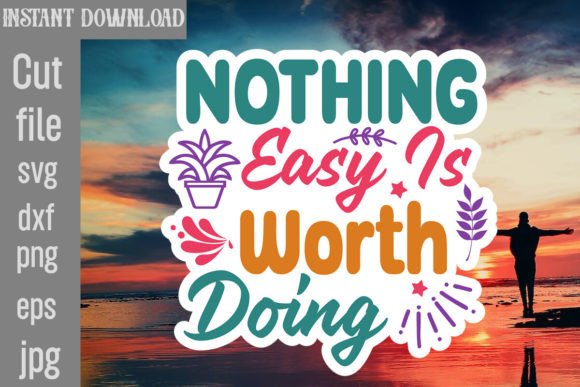
The phrase "Nothing Easy is Worth Doing" carries a weight that appeals to a specific demographic: the hustlers, the makers, and the resilient. Visually, the design relies heavily on typography. When I first opened the SVG File for Cricut and the EPS File Vector, my immediate concern was legibility versus style. In embroidery, overly intricate fonts can become a nightmare of thread breaks and puckering. However, the structure of this design suggests a bold, confident presence. It does not try to be delicate; it tries to be impactful.
The mood created by this piece is one of determined elegance. It is not whimsical or cute; it is serious and motivational. This makes it an excellent candidate for items that are meant to be worn with pride or displayed in workspaces. The layout appears balanced, avoiding the common pitfall of uneven kerning that often plagues free or low-cost digital assets. For an embroidery designer, this initial visual check is crucial. If the spacing looks tight on a screen, it will look like a blob of thread on fabric.
Real-World Application: The Sweatshirt Test
To truly understand the value of the Nothing Easy is Worth Doing SVG Cut File, I imagined a specific client project: a custom order for a small business owner launching a line of motivational apparel. The goal was a high-quality sweatshirt embroidery piece that could serve as both personal wear and a printable mockup for their online store.
In this scenario, the design performs exceptionally well on medium-weight fleece or cotton blends. The bold nature of the text allows for a solid fill stitch approach without overwhelming the fabric. Unlike delicate applique design work that requires precise cutting and layering, this typographic piece relies on the density of the thread to create contrast. When stitched out, the texture of the thread adds a tactile dimension that flat printing cannot achieve. For an Etsy seller, this tactile quality increases the perceived value of the handmade product. Customers are willing to pay more for something that feels substantial and crafted, rather than mass-produced.
I also considered its use on a heavy canvas tote bag design. Here, the durability of the stitch becomes a selling point. A tote bag is subjected to friction and weight. A well-digitized version of this phrase, using robust thread paths, will withstand daily use better than a vinyl decal, which might peel over time. This longevity builds customer trust and enhances the reputation of the craft business producing it.
Navigating Technical Challenges
While the design is strong, it is not without its challenges. Embroidery is unforgiving of poor planning. One must be cautious when applying this design to stretchy fabric or thin materials. The weight of the thread required to make the letters readable can cause puckering if the proper stabilizer is not used. For a cap or curved surface, the design might need to be scaled down or broken into smaller segments to avoid distortion. The curvature of a hat brim can warp straight lines, so testing on scrap fabric is non-negotiable.
Another critical factor is stitch density. If the digitizer has packed too many stitches into the letters, the result will be stiff and board-like. This is particularly problematic for baby embroidery or items that need to remain soft against the skin. I always recommend checking the underlay stitches. A good tatami underlay will anchor the design and prevent shifting, while a poor underlay will lead to registration issues where the top stitches do not cover the bobbin thread evenly.
For those using the DXF File for Silhouette or the PNG File Transparent Background, 300 Dpi for hybrid projects, remember that these formats are for cutting or printing, not stitching. If you are combining heat transfer vinyl with embroidery, ensure the SVG paths are clean and closed. Any open nodes in the vector file will result in jagged cuts, ruining the professional finish of the finished product.
Enhancing Brand Value and Appeal
From a branding perspective, the Nothing Easy is Worth Doing SVG Cut File offers versatility. It fits seamlessly into niches focused on fitness, entrepreneurship, education, and recovery. For a small shop product line, consistency is key. Using this design across various items—such as aprons, pillow covers, and tea towels—creates a cohesive collection. The monochromatic potential of the design allows it to blend with various thread colors, making it easy to adapt to seasonal palettes without redesigning the core asset.
When creating digital embroidery file listings, the presentation matters. Using the included PNG to create high-resolution mockups can significantly boost click-through rates. However, always be transparent about what the customer is buying. Since this is a DIGITAL DOWNLOAD ONLY, clarity in your product description prevents disputes. Explain that the buyer receives the files to create their own custom apparel or personalized gift items, not the physical embroidered good itself.
Practical Notes for the Designer
Before you commit to a large production run or list this as a premium item, take these practical steps:
- Test on Scrap Fabric: Always stitch a test piece on the same material you intend to sell. Check for puckering, thread breaks, and color blending.
- Check Thread Contrast: Ensure there is sufficient contrast between the thread and the fabric. Light thread on light fabric may render the text unreadable from a distance.
- Verify Hoop Size: Confirm that the design fits within your machine’s maximum hoop size. If it is too large, you may need to split the design, which requires advanced digitizing skills to align properly.
- Inspect Small Details: Zoom in on the vector files. Look for stray points or overlapping paths that could confuse cutting machines or digitizing software.
- Confirm Licensing: Before selling commercial embroidery items made with this design, review the license terms provided by the creator. Some licenses allow unlimited sales, while others have caps.
In conclusion, the Nothing Easy is Worth Doing SVG Cut File is a robust asset for the serious maker. It bridges the gap between inspirational messaging and tangible craft. By respecting the technical limitations of embroidery and leveraging the design’s bold aesthetic, you can create products that resonate with customers on both an emotional and physical level. It is a reminder that in our craft, as in life, the effort we put into the details is what ultimately defines the quality of the outcome.