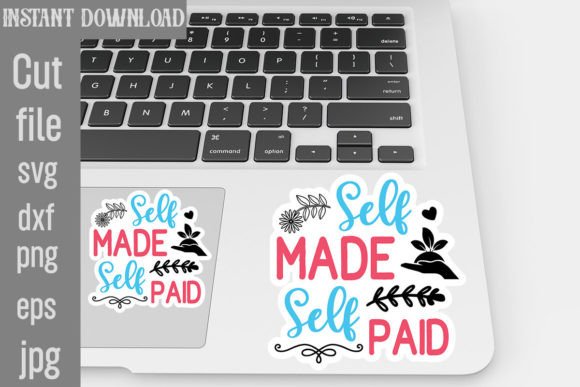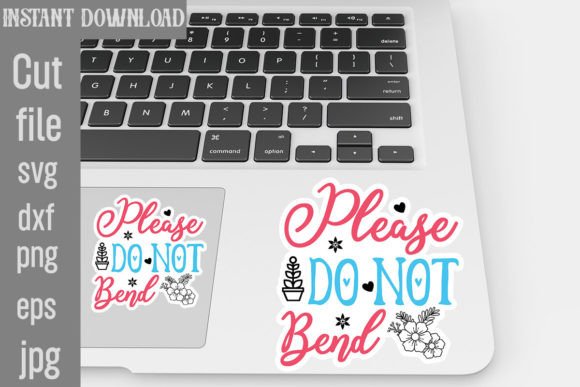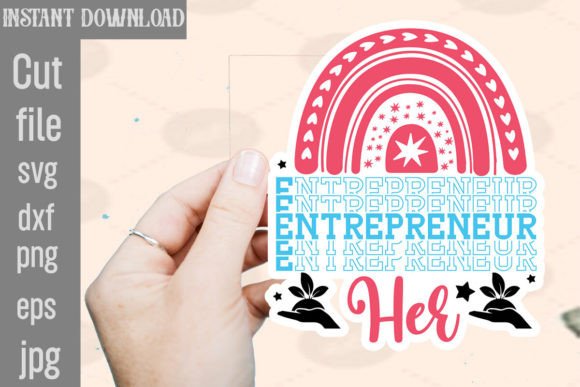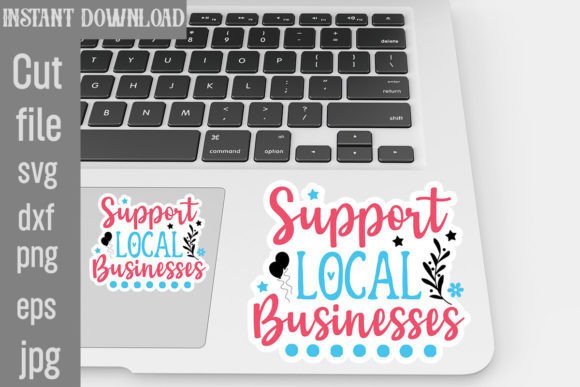
Reviewing Thank You SVG Stickers for Embroidery
As a designer who spends more time staring at digitized stitch paths than I care to admit, I approach every new machine embroidery design with a mix of curiosity and skepticism. We have all been there: you download a cute graphic, load it onto your machine, and watch in horror as the thread bunches up or the details vanish into the fabric. That is why evaluating a file like Thank You SVG Stickers requires looking past the pretty preview image and understanding how it translates from a digital asset to a tactile, stitched reality.
This particular product sits at an interesting intersection. It is marketed primarily as a cut file package for crafters using Cricut or Silhouette machines, including SVG, DXF, EPS, and PNG formats. However, for those of us in the embroidery world, these vector-based graphics are often the starting point for custom digitizing or simple applique projects. The question is not just whether the design looks good on a screen, but whether it holds up when subjected to the tension of a hoop and the pull of thread.
First Impressions and Design Personality
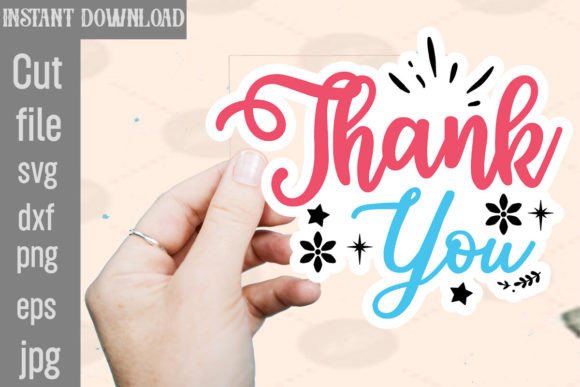
The immediate appeal of Thank You SVG Stickers lies in its versatility. The "sticker" aesthetic implies a bold outline, clean lines, and a playful, approachable vibe. In the context of Crafts and Graphics, this style is trending heavily because it mimics the look of vinyl decals but offers the warmth of thread. When I first opened the files, I looked for clarity in the shapes. A design intended for small-scale application, such as a thank-you note on a package or a small accent on apparel, needs strong silhouettes. Weak lines get lost in stitching.
The mood here is grateful and cheerful, making it a natural fit for customer-facing products. If you run a small shop, the psychological impact of a handwritten-style "thank you" cannot be overstated. It builds trust. But from a technical standpoint, I was checking the complexity. Are there tiny, isolated elements that will require excessive trimming? Is the lettering thick enough to support a satin stitch without collapsing? These are the questions that determine whether a design is a time-saver or a headache.
Real-World Application: The Unboxing Experience
Let’s talk about a real scenario. Imagine you are preparing orders for your Etsy store. You sell handmade ceramic mugs or knitted scarves. Including a physical card is nice, but adding a personalized touch to the packaging itself elevates the brand. I tested the concept of using this design on small fabric tags attached to gift bags. Because the source file includes a high-resolution PNG and vector EPS, you can easily import it into your digitizing software to create a compact embroidered patch or a direct-to-garment stitch.
For a project like this, the fill stitch density becomes critical. If you are stitching onto a twill tape label, you need a design that isn't too dense, or the label will curl. The sticker-style outline of Thank You SVG Stickers suggests that a combination of a running stitch border and a light fill could work beautifully. It creates a professional finish that says, "I care about the details." Customers notice this. It turns a standard transaction into a memorable unboxing experience, encouraging repeat business and social media shares.
Fabric and Hoop Considerations
Not every surface is created equal. While this design is versatile, I would exercise caution when applying it to highly textured fabrics like chunky knits or loose-weave linens. The clean lines of the sticker aesthetic rely on precision. On uneven surfaces, the thread can sink into the weave, obscuring the message. In these cases, using a cutaway stabilizer is non-negotiable. It provides the foundation needed to keep the stitches floating above the texture rather than disappearing into it.
Similarly, consider the hoop size. If you are aiming for a subtle accent on a cuff or a collar, ensure your digitized version scales down without losing legibility. Tiny serifs or thin connectors in the lettering might break if scaled too small. I always recommend stitching a test sample on scrap fabric of the same weight and type as your final product. This allows you to adjust thread tension and check for puckering before committing to a finished garment. For stretchy fabrics like jersey t-shirts, a lightweight tear-away stabilizer paired with a ballpoint needle will help maintain the integrity of the knit while the design sits securely on top.
Color Theory and Visual Contrast
The visual success of any embroidery project hinges on contrast. Since Thank You SVG Stickers likely features bold shapes, you have freedom in your thread colors. However, readability is key. A dark thread on a dark fabric will render the message invisible, defeating the purpose of a thank-you note. I suggest using high-contrast combinations for maximum impact—white thread on navy denim, or gold thread on black felt.
If you are creating a personalized gift or a boutique product, consider your brand palette. Consistency in color usage helps build brand recognition. If your shop uses pastel tones, adapt the design accordingly. The vector nature of the included EPS and SVG files makes it easy to visualize these changes in your digitizing software before you even thread the needle. This pre-planning stage saves time and materials, ensuring that the final finished product aligns with your aesthetic standards.
Commercial Use and Professionalism
For Etsy sellers and craft business owners, the licensing aspect is paramount. While this specific package is labeled as a digital download for crafting, always verify the terms for commercial embroidery use. Some designers allow unlimited sales of physical items made with their designs, while others require an extended license. Assuming you have the right to use it commercially, this design adds significant value. It transforms a generic item into a branded asset.
Using a well-executed thank-you design on custom apparel, such as sweatshirts or tote bags, can also serve as a subtle marketing tool. When customers wear or use these items, they become walking advertisements for your attention to detail. It signals professionalism. In a market saturated with mass-produced goods, the human touch of embroidery stands out. It conveys effort, quality, and sincerity.
Practical Designer Notes
Before you rush to digitize or stitch, keep these practical tips in mind:
- Test on Scraps: Always run a test stitch-out on the actual fabric you plan to use. Check for puckering, thread breaks, and registration accuracy.
- Check Density: If you are converting the SVG to an embroidery file, monitor the stitch density. Too many stitches in a small area can cause the fabric to pucker or the thread to snap.
- Stabilizer Selection: Match your stabilizer to your fabric. Cutaway for knits and stretchy materials, tear-away for woven cottons, and wash-away for delicate or sheer fabrics.
- Thread Quality: Use high-quality embroidery thread to prevent shredding and ensure vibrant color retention after washing.
- Verify Licensing: Confirm that your use case aligns with the designer's terms, especially if you are selling the finished items.
In conclusion, Thank You SVG Stickers offers a charming and practical element for designers willing to put in the prep work. It bridges the gap between digital convenience and handmade warmth. By respecting the technical requirements of embroidery—stabilization, tension, and fabric choice—you can leverage this design to create products that resonate with customers on a personal level. It is not just about stitching a word; it is about stitching a connection.